The Best CEOs Think Like Gardeners: Prune, Plant, Harvest = Leadership Lessons
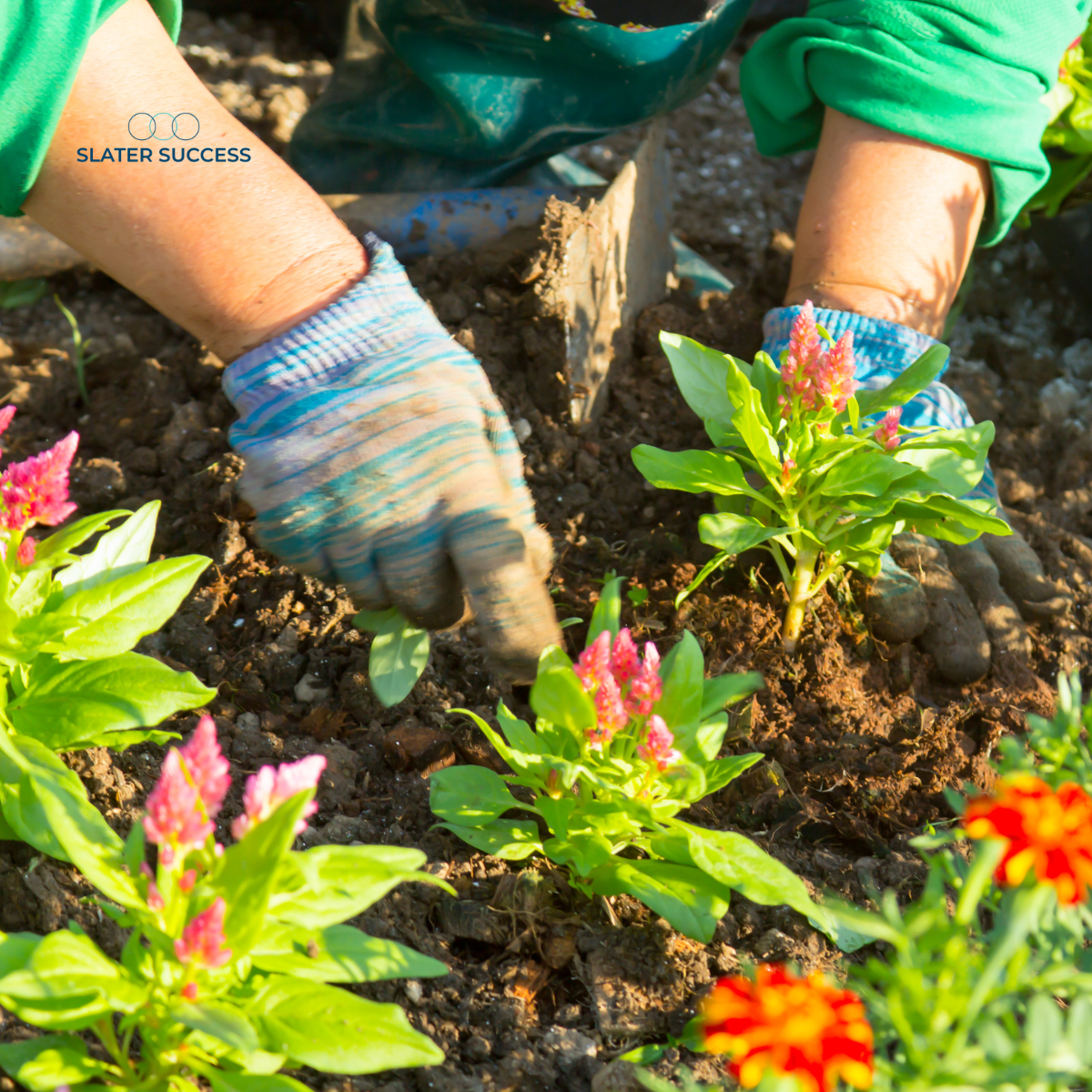
Memorial Day weekend, the traditional start of summer, has just passed. My thoughts have already turned to gardening because May is the month I plant. Every year, as I dig into the soil, I’m amazed at how closely planting a garden aligns with building a business.
Growing a garden is truly one of the clearest metaphors I know for strategic planning. You don’t simply scatter seeds and hope for the best. You begin with intention. In planning your garden, you think about what you want it to look like in several years. It’s about your vision, then figuring out the various components. For example, where will you have trees, shrubs, perennials, annuals, and possibly even vegetables and fruits? This vision and planning are long before anyone else can see it.
Start With A Vision
What do you want to grow?
What planting zone are you in?
What already exists in your garden?
Strategic planning works the same way as visioning. Before the company can scale, its leaders have to ‘assess the soil’, its financial health, the team’s strength, and its operational foundation. Rich soil produces stronger outcomes. Weak soil requires preparation first.
Timing Shapes Everything
Plant too early, and conditions may not support growth. This was very evident to me this May, when we had a very cold month during the planting period, and I had to adjust my timing to have success this season. Wait too long, and you miss the season entirely. Some Slater Success team members based further south have already been busy "working in the dirt" for a month before we in New York have gotten to it, because their soil was ready for planting.
In business, success isn't just about having the right idea. It's about knowing when to prepare, when to invest, and when to act. Leaders who build successful companies know that strategy isn't reaction; it’s about preparation.
The Real Work Happens Underground
Working the soil before planting is unseen work: building systems, strengthening teams, and refining operations. Business “gardeners” understand that what happens beneath the surface determines what eventually rises above it. As in a garden, business growth rewards those who respect seasons, timing, and the discipline of laying a foundation before expecting the harvest.
Not Every Seed Fits Every Season
Seeds represent ideas, goals, and initiatives. But not every seed belongs in every season. For instance, I plant bulbs in the fall for spring flowers, and some seeds go in in May and come up by June and July. Watering is consistency. Sunlight is leadership visibility. Pruning is the discipline to say no.
Strong leaders know that timing matters, that launching too early can be as damaging as starting too late.
Many businesses struggle not because they lack opportunity but because they fail to prune. They hold onto outdated systems, unnecessary costs, or the wrong people. Real growth may require subtracting before expanding.
Weeds Are Real
Don’t let weeds distract you. They can be “shiny objects,” misaligned partnerships, or reactive decision-making. Without discipline, weeds can quietly consume resources meant for real growth.
Gardens teach patience. Most importantly, you cannot rush the roots.
__________________________________________________________________________________
Strategic planning is not about quick wins; it is about building sustainable growth beneath the surface before visible success appears above it. They nurture culture. They protect resources. They plan for seasons, not moments.
They understand that growth is not accidental; it is cultivated.
A thriving company, like a thriving garden, is the result of clarity, consistency, and a long-term mindset.
Because in both business and life, you harvest what you intentionally plant.
The best CEOs think like gardeners.